Friday, December 27, 2024

Enhancing Forklift Safety with Advanced Computer Vision Technology

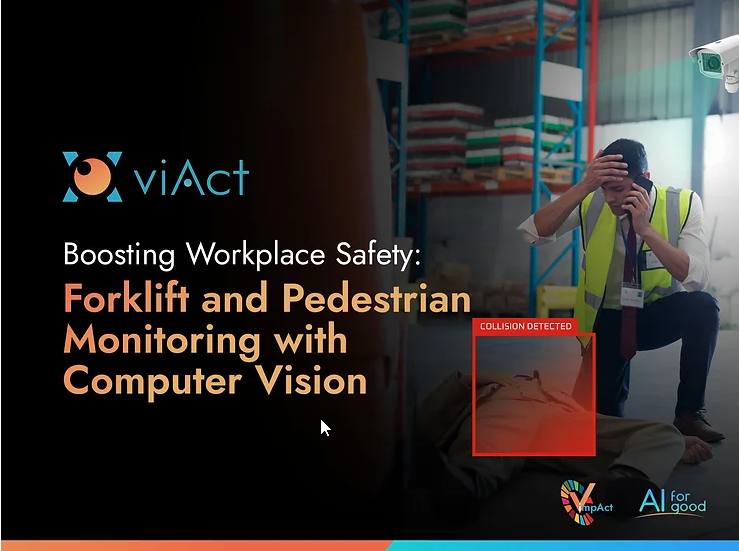
 Forklifts are necessities at each warehouse and every construction site but pose a great safety risk. It leads to causing severe injuries, damaging other properties, and other types of costly downtimes. This is what has become the driving factor for a smarter and safer workplace. Computer Vision for Forklift Safety is a game-changer that changes the way we monitor and manage forklift operations.
 

Understanding the Role of Computer Vision in Forklift Safety

 Computer Vision is the offspring of artificial intelligence; it lets computers sense what is going on around them, which they respond to consequently using the visual data retrieved. In the case of Computer Vision systems, heavy algorithms are used. They monitor the video feeds coming real-time to identify any risk-inducing incidents, observe operating staff behavior, and provide regulations at the workplace.

 Technologically, this characteristic becomes a reality in forklift

 Detect Obstacles: With the aid of AI-equipped cameras, a forklift can easily capture images of objects or people entering its path so the collision risks are nil.

  • Track Driver Behavior: If drivers are known to operate the forklift recklessly or operate without PPEs available, the system will report it.

  • Load stability -Computer Vision utilizes the knowledge regarding the position and load of weight distribution for the safety of tipping accidents

  • Danger Zone Monitoring: most of the operation on the forklift happens within shared spaces. For this reason, the area of operation is kept to designated areas by the use of Computer Vision that, therefore, reduces the dangers to pedestrians.

 Ergonomic Assessments on Computer Vision

 Ergonomics plays a great role in the health and effectiveness of the workers performing work in forklift operations. Long-term exposure or misuse leads to fatigue, musculoskeletal disorders, and lower productivity. Computer Vision in Ergonomic Assessments can eliminate all that by monitoring the posture and actions of the operator.

 Video data Computer Vision can monitor in systems include the following:

 Identify Poor Postures: Inform the operator about slouching or bad handling practices.

  • Assess Load Allocation: Prevents operators from overloading so that physical stress is avoided.

  • Check for Signs of Fatigue: Helps managers to intervene and gives adequate rest time to workers.

 These checks also ensure that the operators are safe and productivity of the workplace is maximized.

 Advantages of Implementing Computer Vision in Forklift Safety

 Real-Time Monitoring: Alert messages enable immediate intervention that will avert accidents from occurring.

  • Cost-Effectiveness: Prevention of accidents as well as compliance with ergonomics will avert unnecessary costs and downtime.

  • Enhanced Compliance: Computer vision automated monitoring will ensure adherence to the safety regulations and standards.

  • Data Analysis: The insights from computer vision enhance decision-making and continuous improvement of the safety protocols.

Conclusion

It is not a far-fetched dream to integrate computer vision into forklift safety; it is a necessity among modern industries. It has minimized accidents and raised efficiency and well-being concerning the forklift operators because real-time monitoring and assessments of ergonomics have been made.

Specialized in AI-powered solutions delivered directly to industrial safety needs, at viAct, we support businesses in creating a smarter, safer, and sustainable workspace using leading Computer Vision technology. If you want to guarantee the safe use of forklifts or optimize your employees' ergonomic practices, just find your trusted partner to innovate job site safety through viAct.


Find how AI solutions from viAct will transform your operations and get you one step closer to your vision with success and safety.

Visit Our Social Media Details :-

Facebook :- viactai

Linkedin :- viactai

Twitter :-aiviact

Instagram :-viactai/

Blog Url :-

Agentic AI in Construction: The AI-Powered Ally in Risk Management


How AI is Revolutionizing Workplace Safety: From Chatbots to Predictive Analytics

Monday, December 16, 2024

Environmental Compliance Monitoring: Ensuring a Sustainable Future for All

 Environmental compliance monitoring is a crucial process to ensure businesses and industries adhere to environmental regulations. It involves regular assessments to track and evaluate activities that may impact the environment, such as emissions, waste disposal, and resource usage. By doing so, organizations can identify and mitigate risks, fostering sustainable practices.

This monitoring is often mandated by governmental bodies to safeguard natural resources, minimize pollution, and promote public health. Advanced technologies, including remote sensing and IoT devices, are increasingly used to enhance accuracy and efficiency.

Effective compliance monitoring not only helps in avoiding hefty penalties but also demonstrates corporate responsibility, enhancing public trust and brand reputation. It encourages innovation in eco-friendly solutions and aligns with global sustainability goals.

By prioritizing environmental compliance monitoring, organizations can play a pivotal role in protecting ecosystems while ensuring long-term growth and resilience in an environmentally-conscious world.

Visit Our Social Media Links -

Generative AI in Construction: Revolutionizing Design, Efficiency, and Sustainability

 Generative AI is transforming the construction industry by enabling innovative solutions for design and efficiency. This technology leverages algorithms to generate optimized building designs, improving functionality and sustainability. Architects and engineers can explore numerous design possibilities, ensuring structures meet aesthetic and practical demands.

One of its key applications is in resource management, where AI minimizes material waste through precise calculations. Construction firms also benefit from predictive maintenance, using AI to foresee equipment failures, reducing downtime and costs. Additionally, generative AI enhances collaboration by visualizing complex designs, fostering better communication among stakeholders.

By integrating Generative AI in Construction companies achieve faster project timelines and lower expenses while adhering to environmental standards. The technology also supports smart city development, paving the way for intelligent infrastructure. As generative AI continues to evolve, it’s set to become a cornerstone of modern construction, driving innovation and efficiency across the industry.

Visit Our Social Media Links -

Protect Workers with Fall from Height Safety and Smart Permit-to-Work Solutions

 One of the most important elements of ensuring safety in the workplace is fall-from-height safety, particularly in dangerous sectors like construction, manufacturing, and mining. Falls remain among the leading causes of deaths and injuries globally. In this context, with the growth of digital technology, solutions such as a Digitalized Permit-to-Work System help organizations act in protecting their workforce and thereby ensuring compliance in real-time.


This blog will tell readers how the Fall from Height Safety Systems and Digitalized Permit-to-Work Systems will work in conjunction to save workers and enhance operational productivity. The main theme of concern is to avoid accidents due to the nature of job operations where height is necessary while working.


In the construction, manufacturing, and mining industries, many employees are required to work at great heights. They are liable to fall each day by working from scaffolding, climbing ladders, operating cranes, or maintaining equipment on an elevated platform.


Statistics Alarming: Cases of fall from height have been reported to be leading the cause of deaths in the construction and other hazardous sectors. These falls are harsh, ranging from people losing their balance on scaffolding to accidents during the process of equipment maintenance. 


Why Fall from Height Safety Should Be at the Top of the List


If you think of safety in a workplace, fall-from-height safety should be right at the top of the list, especially in industries such as construction, mining, and manufacturing, where workers are regularly exposed to these dangers. Here's why:


Prevention of Fatal Injuries: Falls from a great height often prove fatal. A company will protect the worker and at the same time save a life or lives when it makes sure that this does not happen.

Decreasing Cost: Medical, lawyers' bills, and loss in business result from fall injuries. Companies with fall prevention technologies and safety systems cut down the risk of cost by many folds.


Regulatory Compliance: There are very strict regulations in many countries regarding work-at-height safety. A good fall prevention system ensures compliance, which saves costly fines and possible legal problems.


The Role of AI and Technology in fall from Fall-from-height Safety


The risk of falls can be mitigated by the provision of real-time alerts through AI-powered systems in cases where workers enter a dangerous zone or perform hazardous actions like not using safety ropes or climbing in unsafe ways.


For example, AI can identify if a worker is standing too close to an edge with no protection, if the PPE is in place, or if he is climbing incorrectly. The intelligent systems will send alerts immediately to the supervisors to act before accidents occur.


What is a Digitalized Permit-to-Work System?


In construction or mining industries, safety must go beyond real-time alertness to dangers. One needs to ensure that in entering potentially hazardous environments, persons act according to proper rules. A Digitalized Permit-to-Work System emerges in this regard.


A digitalized permit-to-work system is the computerized version of issuing work permits to perform risky activities against paper-based work permits, which can be misplaced or obsolete. The system uses a cloud-based platform to manage and track permits in real time, ensuring that workers only gain access to hazardous areas when all the requirements are in place.


Advantages of a Digitalized Permit-to-Work System:


  • Live Monitoring: Supervisors can immediately know who is working in hazardous zones, ensuring that workers have the necessary permissions and equipment to work safely.

  • Simplified Processes: The old paper-based permit process can be cumbersome and time-consuming.

  • Immediate Alerts of Non-Conformity: The software automatically provides instant alerts to supervisors whenever employees try to access unauthorized locations or safety measures are not in place.

  • Superior Safety Compliance: The software version allows superior compliance with safety procedures and will ensure that employees are sufficiently trained before performing hazardous work. It tracks the pertinent safety certifications and compliance reports.


How Both Systems Help Each Other Protect Workers


Now, think about fall-from-height safety systems power combined with a digitalized Permit-to-Work system. These two solutions together result in a very comprehensive safety ecosystem that protects workers not only from what was seen as foreseeable dangers but also from what wasn't-from unforeseen danger.

This is how this works:


Preventive Measures and Proactive Monitoring: The Fall from Height Safety system monitors workers in real-time, detecting any unsafe behaviors, non-compliance with safety gear, or unsafe proximity to danger zones. Simultaneously, the Permit-to-Work System ensures that workers have the necessary safety permits before entering potentially hazardous areas, ensuring they've been properly trained and have the right equipment.


Real-time alerting and communications: When a permit holder or restricted worker accesses the area accidentally, a real-time warning is received. Simultaneously, whenever the individual practices unsafe behaviors at work the alert is forwarded from the fall protection system from height; to the supervising manager by which actions may be initiated and mishaps prevented beforehand.


Conclusion


Construction, manufacturing, and mining are dangerous industries that call for extreme safety measures to be observed in the day-to-day lives of workers. Falling from Height Safety and a Digitalized Permit-to-Work System are crucial aspects that can't be overemphasized within these industries since it's significantly critical in ensuring minimum accidents while trying to meet and surpass all safety and regulatory compliance standards. All this at the same time keeps the worker's well-being at its highest.


The future of workplace safety is digital, and the right tools can help create an environment where workers are not just compliant with safety standards but are actively protected from harm every day. To improve the safety standard of your company, get help from the most valuable company called viAct to resolve every safety-related issue in the working system.

Visit Our Social Media Details :-

Facebook :- viactai

Linkedin :- viactai

Twitter :-aiviact

Instagram :-viactai/

Blog Url :-

Improving Workplace Safety in Construction with Gen AI-powered EHS Management

Boosting Workplace Safety: Forklift and Pedestrian Monitoring with Computer Vision

Stay Safe with the Danger Zone Alert System: A Cutting-Edge Safety AI Platform

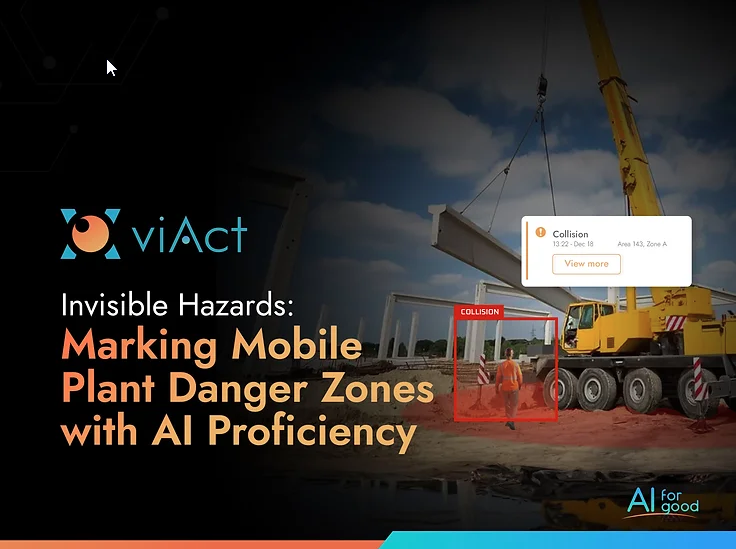
 Stay Safe with Cutting-Edge Safety AI Platform across various sectors, safety always needs to be on the top-most agenda of the industry, especially sectors that include manufacturing, construction, mining, automotive, food and beverages, and governments. In the same way, all these are known for dangerous environments wherein their workers are at risk mainly due to less consideration for safety over productivity and timelines. 

Luckily, with the emergence of modern technology, a way is being found that fills the gap between two different priorities. In this blog, you will understand the importance of the Danger Zone Alert System, and how it is helpful as an upgraded version of the Safety AI Platform.

What is the Danger Zone Alert System?

Danger Zone Alert is an AI-based unique safety solution that prevents accidents in danger-prone zones of a construction site. Construction, mining, and manufacturing facilities have some or the other danger-prone zones due to heavy machinery, hazardous material, or environmental factors. The danger was thus always being handled manually which increased human error but put a further burden on human resources.

With the integration of AI, the Danger Zone alarm system automatically monitors these high-risk areas, catches intrusions, and gives real-time alerts. Then, this system automatically identifies unauthorized access or unsafe activities so that safety officers can react in time before an incident is caused.

How Does It Work?

The Danger Zone Alert System is user-friendly and efficient in nature. It captures data from the existing CCTV or other cameras on-site, processes that data through AI algorithms, and then alerts stakeholders if something unusual or dangerous occurs.

It provides zones as per your project requirements with the flexibility to define and alter danger zones. Be it a specific zone in or around heavy machinery or any hazardous chemicals or the confines; this system can be as well defined according to your necessities.

Real-time alerts: The system provides immediate alerts to safety officers or site managers on the mobile devices of their intruded danger zones. On-site, it activates the visual and audio alarm for a potential danger cautioning workers.

AI-Powered Accuracy: The system uses advanced AI to differentiate between workers and other site elements with a high degree of accuracy, minimizing false alarms.

Why Is a Safety AI Platform Important?

A Safety AI Platform goes beyond accident prevention; it's an all-encompassing monitoring, analysis, and management solution across job sites to provide a more proactive, data-driven approach to safety.

Here’s why an AI Platform is indispensable:

Reduced  Error: With traditional safety methods, human error can lead to missed warnings, accidents, and fatalities. AI reduces the risk of these errors by providing constant, automated monitoring.

Cost-Effective: It seems like a huge investment for an implementation, AI really helps businesses save money in the long run. Avoidance of accidents, downtime, and lawsuits saves millions on medical costs, legal fees, and damage control.

Comprehensive safety management: With an integrated AI platform, every aspect of on-site safety will be covered and placed within one system the alert systems of a Danger Zone to monitor personal protective equipment, environmental hazards, and compliance tracking from a single platform.

Data-Driven Insights: The most significant strength of AI is that it can offer valuable data. Historical accident reports, real-time monitoring logs, and predictive analytics help in identifying potential future risks.

Key Industries That Benefit from the Danger Zone Alert System

Many industries, operating in hazard-prone environments, benefit highly from the Danger Zone Alert System and a Safety AI Platform:

Construction: Only qualified personnel are allowed to pass through such zones by deploying the Danger Zone Alert System, which reduces the overall injury risk.

Manufacturing: Manufacturing places are always exposed to workplace accidents since all the equipment such as machines, assembly lines, and hazardous materials exist there. Any safety violations will be noted by AI quickly, then alerting the supervisor concerned.

Mining: Mining processes, such as those happening in confined spaces and unsafe equipment, are at critical risk. No one, without the necessary training or PPE, will access a dangerous zone because the AI-based monitoring system covers everything.

Facility Management & Smart Cities: In such scenarios, safety is not only limited to workers but also to the occupants of buildings and the general public. Danger alert systems can monitor and manage areas of public risk like city construction zones.

Conclusion

This has transformed workplace safety integration: Safety AI Platform with the introduction of an AI System. With continuous real-time alerts and predictive analytics, this technology is going to slash accident rates in various types of businesses in different industrial operations while saving costs for and safeguarding the very workforce.

With the growing demands for smarter safety solutions, it is no longer an option but a necessity for one to adopt a Safety AI Platform. Learn how viAct's Danger Zone Alert System and Safety AI Platform could help improve your workplace safety here and here, to be at the forefront of workplace safety shortly.

Visit Our Social Media Details :-

Facebook :- viactai

Linkedin :- viactai

Twitter :-aiviact

Instagram :-viactai/

Blog Url :-

Improving Workplace Safety in Construction with Gen AI-powered EHS Management

Boosting Workplace Safety: Forklift and Pedestrian Monitoring with Computer Vision

Computer Vision for Construction Management: Revolutionizing Efficiency, Safety, and Decision-Making

 Computer Vision is transforming construction management by enhancing efficiency, safety, and decision-making processes. By leveraging AI-powered image and video analysis, this technology automates monitoring and progress tracking on construction sites. Drones equipped with cameras can capture real-time visuals, providing detailed insights into site conditions and project timelines.

Safety compliance is another key benefit. Computer Vision detects potential hazards, such as unsafe worker behavior or equipment issues, reducing accidents. It also streamlines quality control by identifying construction defects early, minimizing costly rework.

Additionally, Computer Vision integrates seamlessly with Building Information Modeling (BIM) to compare real-time visuals against project plans, ensuring alignment with design specifications. This proactive approach helps project managers make informed decisions faster.

Incorporating Computer Vision for Construction Management management not only boosts productivity but also supports sustainable practices by optimizing resource utilization. As the industry evolves, this innovative technology is becoming indispensable for modern construction projects.

Visit Our Social Media Links -

Sunday, December 15, 2024

The Future of Drilling Rigs with Harnessing AI for Efficiency and Safety

 The oil and gas industry, considered a high-risk environment industry, has faced significant dilemmas when it comes to both worker safety and work operational efficiency. The drilling rig happens to be one of the most dangerous workplaces where numerous accidents and fatalities have reared their heads. Nevertheless, the oil and gas industry now boasts a ground-breaking solution Artificial Intelligence (AI). It means the company would enhance safety standards, and efficiency, and reduce risk on rigs with the introduction of AI on drilling rigs. It's not an innovation but rather an imperative step toward workforce safety and operational optimization. In this blog, you will learn how the future of drilling rigs changes with AI.

The Role of AI on Drilling Rigs: A Game-Changer for Safety and Efficiency

The oil and gas sector is no stranger to risks. Given that its fatal rate is seven times worse than that of other critical sectors, safety on the rigging is of extreme concern. Traditionally, it relies on human observation for monitoring; as a result, this is more prone to errors and has only been reactive. AI in a drilling rig, however, opens possibilities for real-time scenario-based safety monitoring.

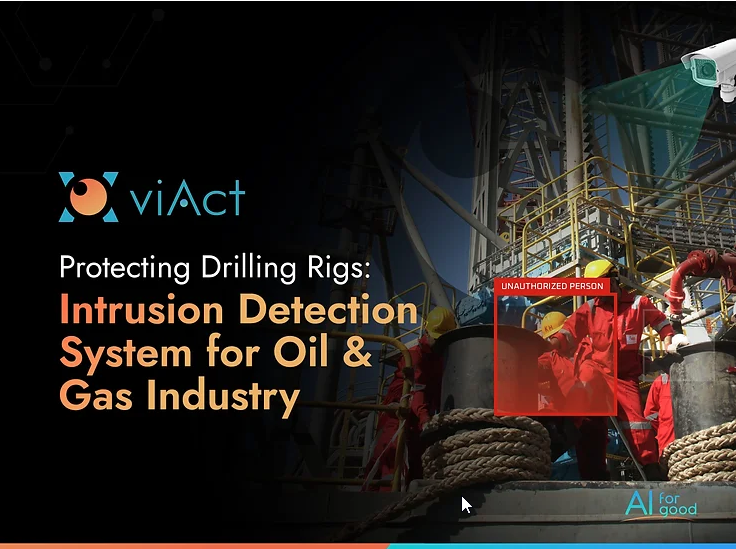
With industrial-grade video analytics, the AI can monitor drilling activities continuously and automatically. For instance, AI-based hazardous detection will look for possible fire, smoke, unsafe conduct, and even illegal entry or access to prohibited areas, which is unattainable by simple manual systems. The approach that AI offers is proactive in monitoring dangerous conditions and warning supervising authorities to prevent potential major incidents.

For instance, systems installed on drilling rigs can give the AI system an instant alert about extreme temperature, gas leakage, or personnel entering "red zones." This has the early warning capability in which managers can act immediately. This way, accidents are not allowed to happen, and the workforce is kept out of harm's way. One of the most influential features of AI is the continuous monitoring of multiple critical points in real-time. As such, a level of safety and oversight that was otherwise impossible to achieve is available.

Automated Construction Monitoring: Revolutionizing Project Management

Automated construction monitoring is fast becoming the ultimate tool for project managers seeking to ensure that their construction projects are completed within budget and without compromising safety.

AI-driven systems can monitor everything from the movement of workers and machinery on-site to the status of construction materials and equipment. Such systems can automatically detect unsafe behavior, breaches of safety protocols, or equipment malfunctions, instantly alerting project managers. In this way, problems are addressed immediately, thus avoiding costly delays or accidents.

Why AI is a Must for Both Industries

Whether you’re working on a drilling rig or overseeing a construction project, integrating AI into your operations offers a multitude of benefits. For business owners, digital marketers, and decision-makers, here are some of the most compelling reasons why AI is essential for future success:

Cost Savings: The initial investment in AI may seem huge, but the long-term cost savings are enormous. AI on drilling rigs and automated construction monitoring can reduce the need for manual monitoring, lower insurance premiums by decreasing accidents, and minimize downtime due to equipment failures or safety violations. These savings add up over time, making AI a smart investment for any company.

Improved Safety: Both industries have significant safety challenges, and AI is the key to improving safety standards. By providing real-time alerts and proactively identifying potential hazards, AI systems reduce the likelihood of accidents and injuries. Whether it's detecting an unsafe work condition on a drilling rig or preventing a safety violation on a construction site, AI helps keep workers safe.

Increased Efficiency: Artificial intelligence systems operate for continuous periods, and are thus not prone to sleep; they monitor activities incessantly. This would then increase the speed at which possible malfunctions are detected and corrections undertaken. This improvement in efficiency is particularly necessary for those industries that operate on risk, where the impact of delay and mistakes will cost dearly.

AI in the Future of Drilling and Construction

As AI technology improves, applications in industries like oil and gas and construction will continue to be better. In the future, AI will be integrated with such technologies as drones, Internet of Things sensors, and AR. The monitoring will advance further by providing more specific and actionable insights.

For instance, AI could be linked with drones for better and more detailed surveillance of isolated drilling sites. AR might help workers on-site by offering real-time instructions or alerts for any hazards. Such innovations are going to keep operations even safer, more efficient, and cost-effective.

Conclusion

The potential of AI on drilling rigs and automated construction monitoring is undeniable. Businesses in the oil and gas and construction industries will be able to create safer, more efficient workplaces with significantly reduced costs and risks by embracing these technologies. The future is clear with AI, it is not just an option, it is important if you want to generate positive changes and look to stay competitive in an ever-evolving world.

As a business owner or digital marketer, now is the time to explore how AI can transform your operations. The possibilities are endless, and by implementing AI today, you’re setting your business up for success tomorrow.

Visit Our Social Media Details :-

Facebook :- viactai

Linkedin :- viactai

Twitter :-aiviact

Instagram :-viactai/

Blog Url :-

Improving Workplace Safety in Construction with Gen AI-powered EHS Management

Boosting Workplace Safety: Forklift and Pedestrian Monitoring with Computer Vision

AI Enabled Project Control Center (PCC) | viAct

 Transform your project management with viAct AI-enabled Project Control Center (PCC). Streamline tasks, increase efficiency, and stay ahead...