Monday, August 26, 2024

Enhancing Manufacturing Safety with Computer Vision

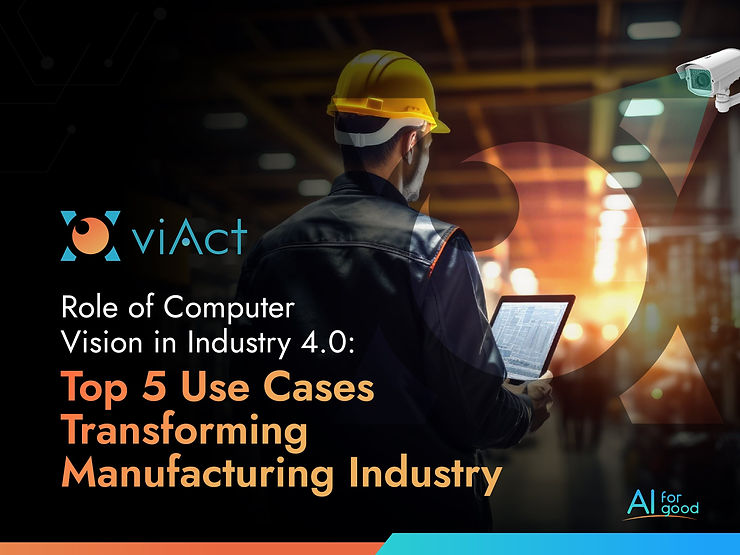
 In the fast-paced world of manufacturing, safety and efficiency are paramount. As industries evolve, so do the tools and technologies designed to enhance these aspects. One such groundbreaking technology is computer vision. This technology, when integrated into manufacturing environments, offers unparalleled benefits in terms of safety and operational efficiency. Here, we explore the pivotal role of computer vision for manufacturing safety and how it transforms traditional manufacturing practices.
Understanding Computer Vision

Computer vision refers to the field of artificial intelligence (AI) that enables machines to interpret and make decisions based on visual data. By analyzing images and videos, computer vision systems can identify objects, detect anomalies, and monitor processes in real time. For manufacturing, this means a significant leap forward in ensuring workplace safety and optimizing operations.

The Role of Computer Vision for Manufacturing Safety

  1. Real-Time Hazard Detection

One of the most critical applications of computer vision for manufacturing safety is its ability to detect hazards in real time. Advanced AI-powered systems can monitor various aspects of a manufacturing floor, including:

●     PPE Compliance: Ensuring that workers are wearing the correct personal protective equipment (PPE) is crucial for safety. Computer vision systems can instantly alert managers if any worker is not compliant, reducing the risk of injuries.

●     Fire and Smoke Detection: Early detection of fire or smoke can prevent catastrophic damage. Computer vision technology can identify signs of fire or smoke at their onset and trigger immediate alerts to mitigate potential disasters.


  1. Enhanced Operational Efficiency

Safety and efficiency go hand-in-hand. Computer vision enhances operational efficiency by:

●     Forklift Safety Monitoring: Forklifts are essential in manufacturing but can pose significant risks. Computer vision systems monitor forklift operations, such as driving speed and collision risks, to prevent accidents and ensure the safe handling of materials.

●     Conveyor Belt Monitoring: Conveyor belts are prone to breakdowns and blockages. Computer vision can detect these issues promptly, enabling quick maintenance and minimizing production downtime.


  1. Damage Detection and Quality Control

Maintaining product quality is a cornerstone of manufacturing excellence. Computer vision provides robust solutions for:

●     Damaged Product Detection: AI-powered systems can identify damaged products on the assembly line and alert operators for immediate action, ensuring that only quality products reach the end user.

●     Automated Stock Alerts: Computer vision can monitor stock levels in real time, identifying empty spaces and triggering automatic alerts for replenishment. This helps in maintaining smooth production flow and preventing supply shortages.


  1. Worker Safety and Monitoring

Worker safety is enhanced significantly with computer vision:

●     Proximity Detection: Computer vision systems can monitor the proximity of workers to dangerous machinery. Alerts are generated if workers get too close to operating machines, preventing accidents and injuries.

●     Distraction Detection: Monitoring operator behaviour, such as inattentiveness, can be achieved through computer vision. By detecting distractions, the system helps in reducing errors and accidents associated with operator negligence.


  1. Automated Housekeeping and Fleet Tracking

Maintaining cleanliness and efficient fleet management are also addressed by computer vision:

●     Housekeeping Management: Computer vision systems can record and manage housekeeping tasks, ensuring that the manufacturing environment remains clean and organized.

●     Fleet Tracking: Real-time GPS tracking of delivery vehicles ensures safe transportation of goods and optimizes fleet operations, improving overall logistical efficiency.

The Benefits of Computer Vision for Manufacturing Safety

The integration of computer vision into manufacturing brings several key benefits:

●     Increased Accuracy: Compared to manual monitoring, computer vision offers up to 90% more accuracy in detecting safety hazards and operational issues.

●     Faster Response: The ability to provide instant alerts and notifications enables quicker response to potential problems, reducing the likelihood of accidents and improving overall safety.

●     Error Reduction: Automated processes and real-time monitoring minimize human error, leading to more reliable and efficient manufacturing operations.

Implementation with viAct

viAct’s AI-powered solutions exemplify the effectiveness of computer vision for manufacturing safety. Their systems seamlessly integrate with existing infrastructure to provide:

●     Edge AI Benefits: Highly deployable solutions with over 90% accuracy, ensuring effective safety management while maintaining data privacy.

●     Plug & Play Facility: Easy installation with minimal technical requirements, reducing deployment costs and enhancing agility.

●     Cross-Platform Integration: Ability to integrate with various data sources and applications, boosting comprehensive management and operational effectiveness.

Conclusion

Incorporating computer vision for manufacturing safety is no longer a luxury but a necessity. The technology's ability to enhance safety, increase efficiency, and improve quality control makes it a critical component of modern manufacturing practices. With solutions like those offered by viAct, manufacturers can leverage computer vision to transform their operations, ensuring a safer and more productive work environment.

Embracing computer vision is a forward-thinking approach that aligns with the future of manufacturing. As industries continue to evolve, integrating such advanced technologies will be key to staying ahead of the curve and achieving operational excellence.

Visit Our Social Media Details :-

Facebook :- viactai

Twitter :-aiviact

Instagram :-viactai/

Youtube :-@viactai

Linkedin :- viactai

Blog Url :-

Visual Vigilance: Enhancing Helmet Recognition Through Computer Vision

Lifting Safety Monitoring: An AI-Powered Workplace Safety Guide

Transforming Construction Safety with Computer Vision: The Future is Here

 In the high-stakes world of construction, where every day brings new challenges, ensuring safety is of paramount importance. The construction industry is notoriously hazardous, with complex environments and numerous potential risks. To address these concerns, cutting-edge technologies are being adopted to enhance site safety and operational efficiency. Among these innovations, computer vision for construction safety stands out as a revolutionary tool, providing unprecedented capabilities to monitor, analyze, and improve safety on construction sites. viAct, a leader in this space, is at the forefront of integrating computer vision for construction safety into construction management.

What is Computer Vision for Construction Safety?

Computer vision for construction safety refers to the use of advanced visual recognition technologies powered by artificial intelligence (AI) to monitor construction sites in real-time. This technology involves the deployment of cameras and sensors to capture visual data, which is then analyzed by AI algorithms to detect safety issues, monitor compliance, and improve overall site management. By leveraging computer vision for construction safety, construction managers can proactively address hazards and ensure that safety protocols are adhered to.

The Impact of Computer Vision for Construction Safety

  1. Enhanced Hazard Detection

One of the primary benefits of computer vision for construction safety is its ability to detect potential hazards with remarkable accuracy. Traditional methods of hazard detection often rely on manual inspections and periodic safety audits, which can be time-consuming and prone to oversight. In contrast, computer vision continuously monitors construction sites, identifying risks such as unsafe behaviour, equipment malfunctions, or unprotected work areas. By providing real-time alerts, this technology enables immediate corrective actions, reducing the likelihood of accidents and injuries.

  1. Improved Compliance Monitoring

Compliance with safety regulations is crucial in the construction industry. Computer vision for construction safety offers a powerful tool for ensuring adherence to safety standards and protocols. The technology can automatically verify that workers are wearing appropriate personal protective equipment (PPE), follow safety procedures, and operate machinery correctly. By continuously monitoring compliance, computer vision helps prevent violations and ensures that safety regulations are consistently met.

  1. Streamlined Incident Reporting

Accurate and timely incident reporting is essential for maintaining safety standards and addressing issues effectively. Computer vision for construction safety automates the process of incident documentation by capturing video footage and images of safety violations or accidents. This visual evidence is invaluable for analyzing the root causes of incidents, identifying trends, and implementing preventive measures. Automated incident reporting also reduces administrative burdens and enhances the accuracy of safety records.

  1. Data-Driven Safety Improvements

Data is a key driver of safety improvements in construction. Computer vision for construction safety generates vast amounts of visual data that can be analyzed to gain insights into site conditions, worker behaviour, and safety performance. By leveraging this data, construction managers can identify patterns, assess the effectiveness of safety measures, and make informed decisions to enhance site safety. The ability to analyze trends and performance metrics helps in continuously improving safety strategies and protocols.

Key Features of Computer Vision for Construction Safety

  1. Real-Time Surveillance and Alerts

A core feature of computer vision for construction safety is its ability to provide real-time surveillance and alerts. viAct’s solutions use advanced AI algorithms to monitor construction sites continuously. When a potential safety issue is detected, the system generates immediate alerts to on-site and off-site personnel. This real-time capability ensures that safety concerns are addressed promptly, reducing the risk of accidents and improving overall site safety.

  1. Automated PPE Detection

Personal protective equipment (PPE) is a critical component of construction site safety. Computer vision for construction safety automates the detection of PPE usage by analyzing video feeds from site cameras. The technology identifies whether workers are wearing the required PPE and generates alerts if any violations are detected. This automated monitoring ensures that PPE requirements are consistently met and helps prevent injuries.

  1. Hazardous Area Monitoring

Construction sites often have hazardous areas that require strict access control. Computer vision for construction safety can monitor these areas to prevent unauthorized access and ensure that safety protocols are followed. The system can detect when workers enter restricted zones or when safety barriers are breached, providing alerts to prevent accidents and maintain site safety.

  1. Integration with Existing Systems

Integrating new technologies with existing site management systems can be challenging. Computer vision for construction safety offers seamless integration with current software and hardware, ensuring a smooth implementation process. viAct’s solutions are designed to work with existing cameras and management systems, providing a unified approach to safety monitoring and management.

Case Study: viAct’s Pioneering Role in Computer Vision for Construction Safety

viAct is a trailblazer in integrating computer vision for construction safety with its state-of-the-art software solutions. By deploying advanced AI-driven video analytics, viAct has achieved significant improvements in construction site safety. Key highlights of viAct’s impact include:

●     90% Reduction in Accidents and Injuries: viAct’s computer vision technology has played a crucial role in reducing workplace accidents by detecting and addressing safety hazards in real-time.

●     95% Enhanced Transparency in Workflow: The technology provides detailed insights into site operations, improving transparency and accountability.

●     70% Cost Savings Compared to Manual Monitoring: Automated monitoring and reporting have resulted in substantial cost savings compared to traditional safety management methods.

Conclusion

The construction industry is facing unprecedented challenges, and computer vision for construction safety represents a significant advancement in addressing these issues. By leveraging cutting-edge AI technology, this innovation enhances hazard detection, improves compliance monitoring, and streamlines incident reporting. viAct’s pioneering solutions in computer vision for construction safety are setting new standards for site safety and operational efficiency.

As the construction industry continues to evolve, adopting computer vision technology is not just a choice but a necessity for ensuring safety and efficiency. If you’re looking to transform your construction site management and enhance safety measures, viAct’s solutions offer the cutting-edge technology you need. Contact viAct today to discover how our computer vision for construction safety solutions can revolutionize your construction projects and drive your success to new heights.

Visit Our Social Media Details :-

Facebook :- viactai

Twitter :-aiviact

Instagram :-viactai/

Youtube :-@viactai

Linkedin :- viactai

Blog Url :-

Elevating Safety: AI-based Crane Collision Detection Systems for Monitoring

Revolutionizing Fall Protection at Heights in Construction

Leveraging Computer Vision for Construction Management: A New Era of Efficiency and Safety

 In the ever-evolving field of construction, technology continues to drive significant advancements. Among the latest innovations, computer vision for construction management stands out as a transformative tool. By harnessing the power of AI-driven visual analysis, this technology is revolutionizing how construction sites are managed, enhancing safety, productivity, and compliance. viAct, a leader in this space, is pioneering the integration of computer vision for construction management with its cutting-edge software solutions.

What is Computer Vision for Construction Management?

Computer vision for construction management refers to the application of AI and visual processing technologies to monitor, analyze, and manage construction sites in real-time. This technology uses cameras and sensors to capture visual data, which is then processed by sophisticated algorithms to provide actionable insights. From tracking worker activities to detecting safety hazards, computer vision offers a comprehensive solution for modern construction management.

The Impact of Computer Vision for Construction Management

  1. Enhancing Safety on Construction Sites

Safety remains a top priority in construction, with a high incidence of workplace accidents and injuries. Computer vision for construction management plays a crucial role in improving site safety. For instance, it can detect unsafe behaviours, such as workers not wearing proper personal protective equipment (PPE) or entering restricted areas. The system can also identify potential hazards, such as spills or equipment malfunctions, and alert supervisors in real-time. This proactive approach helps prevent accidents and ensures a safer working environment.

  1. Improving Workflow and Productivity

Inefficiencies in construction workflows can lead to project delays and increased costs. Computer vision for construction management addresses these issues by providing detailed insights into site operations. The technology can monitor progress, track excavation and construction activities, and manage fleet operations. By analyzing visual data, it identifies bottlenecks and areas for improvement, leading to optimized workflows and enhanced productivity.

  1. Ensuring Environmental Compliance

Environmental compliance is a critical aspect of construction management, with regulations covering waste management, pollution control, and resource utilization. Computer vision for construction management helps ensure adherence to these regulations by monitoring environmental conditions on-site. It can detect illegal dumping, monitor vehicle emissions, and track waste management practices. By providing real-time data, it assists in maintaining compliance and mitigating environmental impacts.

  1. Streamlining Project Documentation

Accurate documentation is compulsory for construction project management, yet it consumes much time and is prone to inaccuracies. Computer vision for construction management makes this easier by automating the capture and analysis of visual data. The technology creates real-time reports and records of safety incidents, progress updates, and other events in steps, making documentation more efficient and accurate. In this way, all details of the project are well documented and can be retrieved easily.

Key Features of Computer Vision for Construction Management

  1. Real-Time Monitoring and Alerts

One of the most significant advantages of computer vision for construction management is its ability to provide real-time monitoring and alerts. viAct’s solutions utilize AI-driven cameras to continuously observe construction sites, detecting anomalies and safety violations as they occur. Instant alerts are sent to on-site and off-site personnel, enabling rapid response to potential issues.

  1. Automated Safety Inspections

Manual safety inspections can be labour-intensive and prone to oversight. Computer vision for construction management automates this process by using AI to inspect site conditions continuously. The system identifies safety hazards, such as unguarded machinery or unsafe worker behaviour, and provides detailed reports for review. This automation ensures thorough and consistent safety inspections.

  1. Advanced-Data Analytics

Data analytics is a cornerstone of effective construction management. Computer vision for construction management generates vast amounts of visual data, which is analyzed to provide actionable insights. viAct’s platform offers advanced analytics capabilities, including trend analysis, performance metrics, and predictive insights. This data-driven approach helps managers make informed decisions and optimize site operations.

  1. Integration with Existing Systems

For construction companies, integrating new technologies with existing systems can be challenging. Computer vision for construction management addresses this by offering cross-platform compatibility and easy integration with current software and hardware. viAct’s solutions are designed to work seamlessly with existing cameras and management systems, ensuring a smooth implementation process.

Case Study: viAct’s Impact on Construction Management

viAct is at the forefront of integrating computer vision for construction management with its innovative software solutions. By leveraging AI and video analytics, viAct has demonstrated significant improvements in construction site safety and efficiency. For instance, the company’s platform has achieved:

●     90% Reduction in Accidents and Injuries: By using computer vision to detect safety hazards and unsafe behaviours, viAct’s solutions have dramatically reduced workplace accidents.

●     95% Enhanced Transparency in Workflow: The technology provides real-time insights into site activities, improving transparency and accountability.

●     70% Cost Savings Compared to Manual Monitoring: Automated monitoring and reporting have significantly lowered the costs associated with traditional safety and management practices.

Conclusion

As the construction industry continues to evolve, the adoption of computer vision for construction management represents a major leap forward in enhancing safety, productivity, and compliance. viAct’s advanced AI-powered solutions are leading this transformation, offering cutting-edge tools that address the unique challenges of modern construction sites.

Enabling real-time monitoring, automating safety inspections, and the most advanced data analytics, computer vision is engaged in bringing about a sea change in the way construction projects are managed. If you want to enhance safety, reduce operational inefficiencies, and increase efficiency on your construction sites, then viAct's Computer Vision for Construction Management Solutions is the way ahead. Contact viAct today to discuss how our cutting-edge technology can help in changing the way you manage your construction business to drive projects to success.

Visit Our Social Media Details :-

Facebook :- viactai

Twitter :-aiviact

Instagram :-viactai/

Youtube :-@viactai

Linkedin :- viactai

Blog Url :-

Protecting Drilling Rigs: Intrusion Detection System for Oil & Gas Industry

Seamless Safety: Anti-Collision Monitoring Systems in Modern Worksites

Revolutionizing Rig Safety with AI: A Game Changer for the Oil & Gas Industry

 In the high-risk setting of oil and gas extraction, there is a requirement for safety in the drilling rigs. This critical nature of the industry is captured by the fact that it is 7 times more likely to result in death than other crucial industries. The fatality rate per hundred workers is 1.4. Now, enter the transformative power of AI in rig safety—a disruptive technology promising to take safety standards and operational efficiencies to newer heights. Right at the very top is viAct, which deploys AI to make drilling rigs safer than ever before.

What is AI for Rig Safety?

AI for rig safety involves using advanced artificial intelligence technologies to monitor, analyze, and improve safety conditions on drilling rigs. By integrating AI into safety protocols, oil and gas companies can shift from a reactive approach to a proactive one. This means addressing potential hazards before they lead to accidents, reducing the likelihood of injuries and fatalities, and ensuring compliance with safety regulations. viAct’s cutting-edge AI solutions exemplify this shift, offering real-time monitoring and actionable insights that significantly enhance rig safety.

The Benefits of AI for Rig Safety

  1. Proactive Hazard Prevention

One of the standout features of AI for rig safety is its ability to proactively prevent hazards. Traditional safety measures often rely on manual inspections and periodic checks, which can miss critical issues or become outdated. AI continuously monitors rig operations, using real-time data to identify potential safety concerns. For instance, AI can detect unsafe behaviour, equipment malfunctions, or environmental conditions that could pose a risk. By addressing these issues before they escalate, AI helps prevent accidents and ensure a safer working environment.

  1. Enhanced Detection of Fire and Smoke

Fire and explosions are among the most severe risks on drilling rigs. AI for rig safety employs advanced video analytics to detect early signs of fire or smoke. This early detection capability is crucial for initiating timely responses, such as activating fire suppression systems or evacuating personnel. By identifying potential fire hazards swiftly, AI significantly reduces the risk of catastrophic incidents and protects both human lives and valuable equipment.

  1. Real-Time PPE Monitoring

Personal protective equipment (PPE) is a fundamental aspect of safety on drilling rigs. AI for rig safety automates the monitoring of PPE usage, ensuring that all personnel are equipped with the necessary gear. AI systems can analyze video feeds to verify whether workers are wearing appropriate PPE, such as helmets, gloves, and safety glasses. This real-time monitoring helps enforce PPE compliance and minimizes the risk of injuries caused by inadequate protection.

  1. Red Zone Management

Drilling rigs often have designated "red zones" where the risk of accidents is heightened. AI for rig safety provides robust solutions for managing these high-risk areas. Through real-time surveillance and analytics, AI can monitor access to red zones, ensuring that only authorized personnel enter these areas. This capability is critical for preventing unauthorized access and maintaining strict safety protocols in the most hazardous parts of the rig.

  1. Cost-Effective Monitoring

Implementing AI for rig safety offers significant cost benefits compared to traditional monitoring methods. Manual safety inspections and human monitoring can be resource-intensive and prone to errors. In contrast, AI-driven solutions provide continuous, automated monitoring at a lower cost. viAct’s AI technologies are designed to be highly deployable and cost-effective, delivering substantial savings while maintaining high safety standards.

Key Features of AI for Rig Safety

  1. Scenario-Based Video Analytics

viAct’s AI solutions utilize scenario-based video analytics to provide granular insights into rig operations. This technology leverages existing cameras to analyze real-time footage, identifying safety issues, equipment malfunctions, or procedural violations. The AI system generates alerts and actionable insights, enabling swift interventions and continuous improvement in safety practices.

  1. Integrated Alert System

AI for rig safety includes an integrated alert system that delivers notifications through multiple channels. On-site personnel receive immediate alerts via light and sound alarms, while off-site managers are notified through email, SMS, or WhatsApp. This multi-channel approach ensures that all relevant stakeholders are informed and can respond promptly to safety concerns.

  1. Historical Data Analysis

Another critical feature of AI for rig safety is its ability to analyze historical data. By examining past incidents and safety records, AI can identify patterns and trends that inform preventive measures. This data-driven approach helps companies understand recurring issues and develop strategies to mitigate similar risks in the future.

  1. Seamless Integration

Implementing AI for rig safety is streamlined by its compatibility with existing systems. viAct’s solutions offer a plug-and-play facility, integrating seamlessly with current cameras and infrastructure. This ease of integration minimizes disruption and allows for a smooth transition to advanced AI-driven safety measures.

Case Study: viAct’s Impact on Rig Safety

viAct has pioneered the application of AI for rig safety, demonstrating its effectiveness through various successful implementations. The results speak volumes:

●     95% Reduction in Fatal Injuries: viAct’s AI solutions have achieved a remarkable reduction in fatal injuries by addressing potential hazards before they escalate.

●     90% Reduction in Fire and Explosions: The advanced fire and smoke detection capabilities of viAct’s AI have significantly reduced the incidence of fire-related accidents.

●     70% Cost Savings: Automated monitoring and real-time analytics have proven to be more cost-effective than traditional human monitoring methods.

Conclusion

The oil and gas industry faces unparalleled risks, and ensuring rig safety is a critical priority. AI for rig safety offers a transformative approach to managing these risks, providing real-time monitoring, proactive hazard prevention, and cost-effective solutions. viAct stands out as a leader in this field, offering cutting-edge AI technologies that redefine safety standards and operational efficiency.

As the industry continues to evolve, adopting AI-driven safety solutions is not just a technological advancement but a necessity for safeguarding personnel and assets. If you’re ready to elevate your rig safety practices and embrace the future of safety management, viAct’s AI solutions are here to help. Contact viAct today to explore how our innovative technologies can enhance your safety protocols and drive success in your oil and gas operations.

Visit Our Social Media Details :-

Facebook :- viactai

Twitter :-aiviact

Instagram :-viactai/

Youtube :-@viactai

Linkedin :- viactai

Blog Url :-

Top 5 Use Cases of Computer Vision in Manufacturing

Invisible Hazards: Marking Mobile Plant Danger Zones with AI Proficiency

Embracing AI for the Oil and Gas Industry: Transforming Safety and Efficiency with viAct

 The oil and gas industry is known for its complex operations and inherent risks, with safety being a paramount concern. The industry experiences fatal accidents at a rate seven times higher than other critical sectors, a stark statistic reported by the Centers for Disease Control and Prevention (CDC). To address these challenges and enhance safety, companies are turning to innovative solutions like AI for the Oil and Gas Industry. viAct, a leader in AI-driven safety solutions, is revolutionizing how the sector manages risks and improves operational efficiency through its advanced technology.

The Importance of AI in Oil and Gas

The integration of AI for the Oil and Gas Industry represents a significant advancement in how safety and operational efficiency are managed in one of the world's most demanding sectors. viAct's AI-powered video analytics solutions are designed to provide real-time monitoring and actionable insights, addressing the unique challenges faced by oil and gas operations. Here’s how viAct’s AI solutions are transforming the industry:

  1. Proactive Fire and Smoke Detection:

Preventing Disasters: Fires and explosions are critical hazards in the oil and gas sector. viAct’s AI system employs sophisticated video analytics to detect the earliest signs of fire and smoke. By providing real-time alerts, the system allows for immediate response, preventing potential disasters and protecting both personnel and equipment.

Reducing Response Time: The system's rapid detection capabilities ensure that safety measures are implemented without delay, significantly reducing the risk of catastrophic damage.

  1. Advanced PPE Detection:

Ensuring Compliance: Personal protective equipment (PPE) is essential for worker safety in hazardous environments. viAct’s AI solution monitors PPE usage across the job site, ensuring that all personnel are equipped with the required gear. Real-time alerts notify supervisors of non-compliance, enabling swift corrective actions.

Streamlining Safety Protocols: The AI system facilitates efficient safety audits by maintaining detailed records of PPE compliance, making it easier to adhere to safety regulations.

  1. Danger Zone Intrusion Alerts:

Enhancing Safety: The oil and gas industry often involves high-risk zones where unauthorized access can lead to serious accidents. viAct’s AI technology monitors these danger zones, detecting any unauthorized intrusions and generating immediate alerts. This proactive approach helps prevent accidents and ensures that only authorized personnel enter high-risk areas.

Integrating Safety Systems: The AI system can be integrated with existing safety protocols to provide a comprehensive safety solution, enhancing overall security.

  1. Collision Detection:

Preventing Accidents: Collisions between equipment and personnel or between different pieces of machinery can have severe consequences. viAct’s AI-driven collision detection system uses real-time data to monitor and detect potential collisions, sending alerts to prevent accidents and improve operational safety.

Optimizing Equipment Use: By analyzing collision data, the system helps identify areas where equipment use can be optimized, reducing the likelihood of accidents and improving efficiency.

  1. Extreme Temperature Alerts:

Mitigating Risks: Extreme temperatures can pose significant risks in the oil and gas industry, affecting both equipment and personnel. viAct’s AI system detects extreme temperature conditions and provides timely alerts, allowing for preventive measures to be taken before conditions become hazardous.

Protecting Assets and Personnel: The system ensures that temperature-related risks are managed effectively, safeguarding both equipment and workforce.

  1. Unsafe Behavior Detection:

Improving Safety Compliance: Unsafe behaviours, such as bypassing safety protocols or engaging in risky activities, are a major cause of accidents. viAct’s AI technology monitors worker behaviour and identifies unsafe practices. Alerts are generated when unsafe behaviour is detected, prompting immediate corrective action.

Enhancing Training Programs: Data from behaviour monitoring can be used to refine training programs, addressing specific areas of concern and improving overall safety practices.

  1. Unauthorized Access and Theft Detection:

Securing Operations: Unauthorized access and theft are significant security concerns in the oil and gas sector. viAct’s AI solution detects unauthorized entries and theft incidents, providing real-time alerts to security personnel. This helps in quickly addressing security breaches and minimizing losses.

Comprehensive Security: The system integrates with existing security infrastructure to provide a holistic view of site security, enhancing overall protection.

  1. Fall Prevention (Slips, Trips, and Falls):

Preventing Injuries: Falls are a common cause of injuries in industrial environments. viAct’s AI system monitors the site for potential fall hazards and generates alerts when risks are detected. This proactive approach helps prevent falls and reduces injury rates.

Ensuring Compliance: The system helps ensure that safety measures are in place to prevent falls, contributing to a safer working environment.

  1. Instant Rescue Alerts:

Responding Quickly: In the event of an incident, quick response is crucial. viAct’s AI system provides instant alerts for rescue operations, including on-site light and sound alarms and remote notifications via email, SMS, or WhatsApp. This ensures that help is dispatched promptly, minimizing the impact of accidents.

Detailed Incident Records: The system captures images and videos of incidents, along with analytic reports, providing valuable data for post-incident analysis and improving safety protocols.

The viAct Advantage: Leading the Way in AI for Oil and Gas

viAct’s AI for Oil and Gas Industry offers several unique advantages that set it apart from other solutions:

●     Edge AI Benefits: viAct’s solutions are deployable on Cloud, On-Prem, and Hybrid modes, providing over 90% accuracy in real-world industrial conditions. This flexibility ensures that the solution meets diverse operational needs while maintaining high standards of safety and efficiency.

●     Plug & Play Facility: The no-code AI solution simplifies deployment, making it accessible to users with minimal technical expertise. This ease of use reduces deployment costs and accelerates the realization of benefits.

●     Cross-Platform Integration: viAct’s solutions integrate seamlessly with various data sources, hardware, and applications, providing a comprehensive platform for managing oil and gas operations. This interoperability enhances overall efficiency and effectiveness.

●     Infrastructure Security: Advanced authentication and encryption ensure that AI deployments are secure, protecting data privacy and mitigating potential security issues. viAct’s commitment to responsible AI adheres to data protection regulations, including GDPR.

●     Responsible AI: viAct’s AI solutions are designed with strict adherence to data protection and privacy regulations, ensuring ethical handling of data and maintaining high standards of security and privacy.

Conclusion: Transform Your Operations with viAct

The integration of AI for the Oil and Gas Industry is a transformative step towards enhancing safety, efficiency, and operational effectiveness in one of the most challenging sectors. viAct’s innovative AI solutions provide real-time monitoring, proactive safety measures, and actionable insights, addressing the unique needs of the oil and gas industry.

By adopting viAct’s AI-driven solutions, companies can significantly reduce risks, improve compliance, and enhance overall operational performance. The benefits of AI integration are clear, from advanced safety monitoring to streamlined security and efficient incident response.

Visit Our Social Media Details :-

Facebook :- viactai

Twitter :-aiviact

Instagram :-viactai/

Youtube :-@viactai

Linkedin :- viactai

Blog Url :-

Boost Manufacturing Safety with viAct: 5 Ways Video Analytics Transforms Operation

Revolutionizing Industry 4.0: The Impact of viAct's Generative AI Chatbots

Tuesday, August 13, 2024

Implementing Safety Management Software: Best Practices and Pitfalls to Avoid

 Effective safety management is paramount in workplaces to prevent accidents and protect employees. Safety management software plays a pivotal role by centralizing safety protocols, incident reporting, and compliance tracking. This blog aims to guide organizations in implementing safety management software effectively, highlighting its benefits in streamlining safety processes and fostering a safer work environment.


Understanding Safety Management Software

Safety management software is a digital tool that helps organizations streamline and improve their safety processes. It includes features for incident reporting, risk assessment, compliance management, and safety training tracking. Benefits of using this software include enhanced efficiency in managing safety procedures, ensuring regulatory compliance, reducing incidents, and promoting a safer workplace culture through systematic monitoring and reporting.


Assessing Organizational Needs

Conducting a thorough assessment of current safety practices involves evaluating existing protocols and procedures in place. This assessment helps identify specific safety challenges such as workplace hazards, inadequate training, or compliance gaps. By pinpointing these areas for improvement, organizations can prioritize resources and efforts effectively to enhance safety measures. It ensures a proactive approach to mitigating risks and fostering a safer work environment for employees.


Selecting the Right Software Solution

When evaluating safety management software, key criteria include user-friendliness, scalability, integration capabilities, and compliance with industry standards. Comparing various software options available in the market involves assessing features, pricing, and customer support. Case studies in construction progress monitoring show how software optimizes safety protocols, streamlines reporting, and enhances site management efficiency. Successful implementations highlight improved incident response and overall safety performance in construction projects, demonstrating the software's effectiveness in mitigating risks.


Planning and Preparation

Establishing clear goals and objectives is essential for successful software implementation. Creating a detailed timeline and budget ensures the project stays on track and within financial limits. Assigning roles and responsibilities to stakeholders clarifies who is responsible for each aspect of the implementation, promoting accountability and efficient collaboration. These steps are crucial in ensuring a smooth and organized rollout of safety management software in workplaces.


Implementation Process

Deploying safety management software involves several key steps. First, data migration may be necessary to transfer existing safety records into the new system. Next, conducting training sessions for employees ensures they understand how to use the software effectively. Finally, integrating the software with existing systems, such as HR or operations platforms, ensures seamless communication and data sharing across the organization, optimizing safety management processes.


Overcoming Challenges and Pitfalls

During software implementation, common challenges include resistance to change from employees accustomed to existing processes, and technical issues like compatibility problems with current IT infrastructure. Effective strategies to overcome these challenges involve clear communication about the benefits of the new software, providing adequate training and support, and engaging stakeholders early in the implementation process to address concerns and ensure smooth adoption.


Ensuring User Adoption and Training

User buy-in and engagement are crucial for successful software adoption, ensuring employees understand and support the new system. Ongoing training and support help users effectively navigate and utilize the software. Encouraging feedback promotes continuous improvement, allowing organizations to address user concerns and optimize safety management processes over time. ViAct's intuitive interface and comprehensive onboarding programs ensure seamless integration and high user adoption rates. Their dedicated support team and feedback-driven improvements foster an environment of continuous enhancement in safety management processes.


Monitoring and Evaluation

To effectively measure the impact of safety management software, organizations use metrics that track its performance. Regular assessments and audits are conducted to evaluate how well the software improves safety practices. Feedback and performance data guide adjustments to enhance software functionality and address any issues. This ongoing evaluation ensures the software aligns with organizational goals and enhances overall workplace safety.


Maintaining Data Security and Compliance

Ensuring data privacy and security involves implementing robust measures to protect sensitive information. Compliance with regulatory requirements and industry standards ensures that safety management software adheres to legal guidelines, safeguarding data integrity and maintaining trust with stakeholders.


Continuous Improvement and Future Considerations

Continuous improvement in safety management practices ensures ongoing enhancement of workplace safety standards. Future trends in safety management software include AI integration for predictive analytics and IoT for real-time monitoring. Effective implementation of safety management software promises long-term benefits like reduced incidents and improved compliance, fostering a safer work environment.


Conclusion

This blog has highlighted the transformative role of safety management software in enhancing workplace safety through streamlined processes and improved compliance. Organizations are encouraged to prioritize implementing such software to mitigate risks effectively and foster a safer environment. Embracing technology not only ensures compliance but also promotes sustainable safety excellence, paving the way for continued improvement and innovation in safety management practices.ViAct's cutting-edge safety management software provides real-time monitoring and predictive analytics to prevent incidents before they occur. By leveraging ViAct's advanced technology, organizations can achieve unparalleled safety performance and drive ongoing innovation in their safety protocols.


Social Media ~

viactai
aiviact
viactai/
@viactai
viactai


Blog ~

Unlocking Root Causes: AI Video Analytics in Manufacturing

4S Labelling Scheme: New Frontier In Hong Kong Construction Industry Safety

Sunday, August 11, 2024

Enhancing Drilling Rig Safety with Red Zone Management

 In high-risk environments like drilling rigs, safety is paramount. The challenging nature of these operations demands effective strategies to manage risks and ensure the safety of personnel and equipment. Red Zone Management is a vital approach that provides advanced solutions to detect and mitigate hazards in these high-risk areas. This blog delves into how Red Zone Management can revolutionize safety protocols and boost operational efficiency in drilling operations.

What is Red Zone Management?

Red Zone Management involves overseeing and controlling high-risk areas within a facility, such as drilling rigs. These zones, characterized by their hazardous conditions, require stringent monitoring to prevent accidents and maintain safety. The essence of Red Zone Management is to proactively manage these risks through advanced monitoring systems that provide real-time alerts and actionable insights.

In a drilling rig, these red zones could include areas around heavy machinery, active drilling operations, or zones prone to environmental hazards. Effective Red Zone Management focuses on minimizing these risks, ensuring that safety protocols are adhered to and that any potential hazards are promptly addressed.

The Importance of Red Zone Management in Drilling Rigs

  1. Enhanced Safety: The central advantage of Red Zone Management is the improved level of safety it brings to the drill floor. Advanced systems enabled with artificial intelligence and computer vision issue real-time alerts to a driller and the crew on the drill floor about impending danger, allowing corrective action to be taken immediately. This greatly decreases the potential for accidents and injuries, hence making the work site safer.


  1. Increased Efficiency: Beyond safety, Red Zone Management systems play a crucial role in boosting operational efficiency. By preventing incidents and minimizing downtime, these systems help maintain smooth and uninterrupted operations. For instance, advanced computer vision technology continuously monitors drilling activities and machinery, allowing for quick responses to any anomalies and thereby improving uptime.


  1. Equipment Protection: Protecting drilling equipment is another critical aspect of Red Zone Management. Real-time hazard detection helps identify issues such as collisions, falls, or equipment malfunctions before they escalate. This early detection extends the longevity of the equipment and reduces the risk of costly repairs or replacements. By preventing equipment failures, Red Zone Management ensures that operations remain efficient and cost-effective.


How viAct’s Red Zone Management System Works

viAct’s advanced Red Zone Management system is designed to enhance safety and efficiency through a combination of cutting-edge technologies:

  • Computer Vision & Video Analytics: viAct utilizes computer vision technology to analyze video feeds from cameras placed in red zones. This system detects movement patterns, behaviours, and potential hazards in real time. By providing actionable insights, it helps improve safety protocols and operational efficiency.


  • Artificial Intelligence of Things (IoT): It consists of AI-powered cameras and IoT sensors installed at viewpoints in high-risk areas. The devices detect unsafe acts and faulty equipment and raise instant alerts and notifications. In this way, there is better monitoring of the drill floor and preparation for emergencies to facilitate a quick response in case of a potential hazard.


  • Digital Permit-to-Work: viAct’s system includes a digital permit-to-work feature that integrates access control processes for red zone entry. Only trained and authorized personnel are granted access to high-risk areas, ensuring that safety protocols are followed and unauthorized access is prevented.


  • Generative AI: The intuitive dashboard for incident logging is supported by generative AI, which analyzes historical data to identify patterns and trends in incidents across red zones. This analysis provides proactive recommendations for better management, helping to refine safety protocols and improve overall risk management.


Real-World Benefits of Red Zone Management

Implementing Red Zone Management solutions has led to significant benefits in various sectors:

  • Holistic Risk View: A comprehensive view of risks on the drilling floor enhances understanding and management of potential hazards. This holistic approach contributes to a 90% improvement in risk assessment, allowing for better decision-making and more effective safety measures.


  • Regulatory Compliance: Improved compliance with safety regulations in red zones is achieved through advanced monitoring and reporting features. This results in an 80% improvement in meeting regulatory standards, ensuring that operations adhere to industry safety requirements.


  • Operational Efficiency: The system enhances drilling operation efficiency by up to 10 times. This improvement is due to reduced incident rates and minimized downtime, leading to smoother operations and higher productivity.

Conclusion

Red Zone Management is a transformative approach to safety management in high-risk environments such as drilling rigs. By engaging advanced technologies in the spheres of AI and computer vision, viAct can provide a strong solution that works to enhance safety while at the same time increasing operational efficiency. The capability for real-time alerts, full monitoring, and insights data-driven makes this tool on Red Zone Management very important for organizations working in hazardous conditions.

At viAct, we are focused on redefining safety protocols and operational performance through the use of our state-of-the-art Red Zone Management system. Tailor-made to fight back against the unique problems of the high-risk environment, our technology ensures that the safety and efficiency of your operations never drop below the top of your priority list.

Interested in seeing what Red Zone Management can do for your drilling rig operations? Request a demo or contact our sales team today to see how viAct's innovative solutions can help you improve safety management and operational efficiency.


Visit Our Social Media Details :-

Facebook :- viactai

Twitter :- aiviact

Instagram :- viactai/

Youtube :- @viactai

Linkedin :- viactai

Blog URL - 

AI Enabled Project Control Center (PCC) | viAct

 Transform your project management with viAct AI-enabled Project Control Center (PCC). Streamline tasks, increase efficiency, and stay ahead...